Best Practices for High-Volume Text Synthesis in 2026

Scaling Online Search Engine Ranker Performance with 2026 Proxy Protocols
High-velocity link structure in 2026 needs a departure from the static setups of previous years. As online search engine algorithms have actually increased their detection capabilities, the necessity for a sophisticated proxy layer has become the primary element in project success. Modern automation through tools like https://gsaserbuilder.com/ now depends on the capability to imitate human traffic patterns across an enormous variety of IP addresses. The shift from basic datacenter proxies to turning property and mobile networks is no longer a choice however a requirement for keeping high submission success rates.
Operating at scale suggests managing countless simultaneous threads. Without a curated proxy technique, those threads rapidly trigger security protocols on target websites, causing obstructed IPs and lost resources. Experts in 2026 concentrate on 3 main metrics: IP variety, rotation frequency, and latency. By focusing on these, they guarantee that every submission attempt has a tidy, special footprint that avoids the common pitfalls of shared or tired proxy swimming pools.
Advanced Rotation Methods for https://gsaserbuilder.com/
Effective operators in 2026 have moved away from standard backconnect proxies that turn on every request. While that method still has some use, it typically creates disparities that modern firewall softwares flag. Rather, the preferred method includes "sticky sessions" where an IP stays constant for the period of a single submission procedure. This technique simulates a user browsing a website, completing a kind, and verifying an e-mail. In 2026, GSA SER setups often use 5 to 10-minute session periods to ensure that the whole account production and publishing cycle takes place under the exact same IP.
Handling the ratio between threads and proxies is similarly critical. A typical error involves running 500 threads on a pool of 1,000 proxies. In the present 2026 environment, search engines detect this limited pool almost quickly. A more effective ratio is 20 to 1. For each active thread in the software application, 20 special residential IPs ought to be offered in the rotation pool. This reduces the frequency with which a single IP strikes the exact same domain, keeping the footprint light and the success rate high. Executing GSA SER Builder Software within this framework ensures that the connection stays stable throughout the confirmation stage of the link building procedure.
The Rise of 6G and Mobile Proxy Integration
The prevalent adoption of 6G networks in 2026 has actually presented a brand-new tier of proxy dependability. Mobile proxies are now the gold standard for high-authority targets since they share IP addresses with countless real mobile users. Sites are reluctant to obstruct these IPs due to the fact that doing so would result in substantial civilian casualties to real traffic. Integrating mobile proxies into a link building setup provides a level of trust that datacenter IPs can not match. While the cost per proxy is higher, the ROI is discovered in the durability of the links and the lower rate of account bans.
Technical setups frequently involve a hybrid model. Datacenter proxies manage the high-volume, low-competition targets where speed is the concern. Mobile proxies are reserved for "tier one" targets or websites with aggressive anti-spam measures. This tiered method enhances the budget plan while taking full advantage of the impact of the project. The adoption of GSA SER Builder Software has actually assisted bridge the space between these various proxy types, enabling a more fluid management of resources across various task types.
IP Filtering and Health Monitoring in 2026
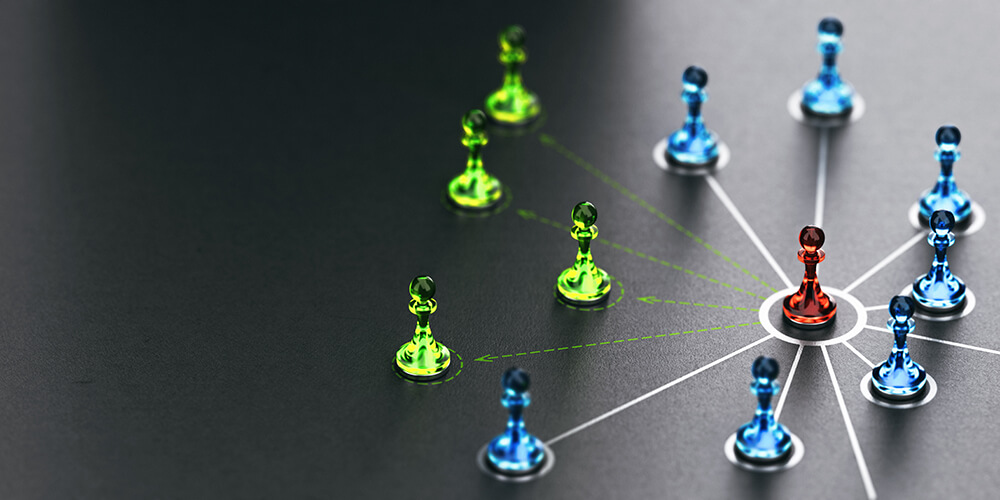
Proxy health is more than simply "up or down" status in 2026. It involves monitoring for DNS leakages, inspecting versus real-time blacklists, and measuring action times at the target site level. Many innovative users now use external scripts to prune their proxy lists every hour. If a proxy shows a high failure rate on a particular platform, it is instantly cycled out of the active rotation. This proactive management keeps the software application from getting stuck in "wait" cycles, which frequently takes place when proxies are slow or partly obstructed.
DNS leak prevention is another 2026 top priority. If a proxy uses the IP of a supplier however the DNS demands originate from the server's real place, the target website sees the discrepancy. This footprint is an immediate free gift for automation. Setting up a dedicated DNS server or utilizing proxies with built-in DNS masking is a basic practice for anybody running high-velocity campaigns. This level of technical information is what separates expert operations from those that see their links vanish within days of being indexed.
Enhancing Socket Timeouts and Retry Reasoning
GSA SER settings for timeout and retries need to be tuned to the particular proxy type being utilized. In 2026, property proxies can often have slightly greater latency than datacenter counterparts. Setting a timeout that is too short will result in failed submissions even if the proxy is healthy. A timeout of 60 to 90 seconds is normally advised for domestic swimming pools to enable the occasional slow action. On the other hand, for high-speed datacenter proxies, a 30-second timeout keeps the thread moving quickly through the list.
Retry reasoning should be managed with care. If a submission stops working, trying once again immediately with the same proxy is often a mistake. The very best practice is to set the software application to use a brand-new proxy for each retry effort. This makes sure that a short-lived block or a regional connection problem does not stop the thread from completing its job. By cycling the IP on every effort, the software preserves a high momentum, which is the foundation of high-velocity link structure.
Managing Footprints through Web Browser Fingerprinting

Proxies only conceal the IP address. In 2026, web browser fingerprinting has actually ended up being a dominant technique for recognizing automated traffic. This consists of tracking canvas data, screen resolution, set up font styles, and even hardware velocity signatures. To complement a strong proxy strategy, the automation software must vary these fingerprints. Using the very same internet browser fingerprint with 10,000 different IPs is an enormous warning that browse engines get quickly.
Modern setups now utilize randomized user-agent strings that match the proxy type. If a mobile proxy is being utilized, the user-agent must reflect a mobile device. If a residential proxy is used, the finger print needs to look like a basic desktop web browser. This synchronization in between the IP and the web browser profile develops a a lot more convincing persona for the automation, enabling it to bypass much of the sophisticated barriers placed by high-quality websites.
Future-Proofing Link Building Facilities
As we move through 2026, the expense of top quality IPs continues to fluctuate. The most effective operators are those who have actually constructed versatile infrastructures that can change between companies at a moment's notice. This avoids dependence on a single point of failure. API integration in between the proxy supplier and the link building software enables the automated purchase and replacement of proxies based on existing campaign needs. This level of automation lowers the manual overhead and lets the operator concentrate on technique instead of technical maintenance.
Security is the last piece of the 2026 proxy puzzle. Encrypting the connection between the server and the proxy company guarantees that the traffic can not be obstructed or analyzed. While this includes a percentage of overhead, it is a required step for securing the exclusive lists and techniques used in top-level link structure. Those who take notice of these small details find that their projects remain effective long after others have actually been removed by the ever-evolving search engine algorithms.