Developing a Stealthy Environment for Your Automated Browse Engine Scripts
Protecting Data Stability in 2026 SEO Operations
Automated SEO systems have reached a level of intricacy in 2026 that was previously reserved for high-frequency trading or international logistics networks. As online search engine release more sophisticated detection mechanisms, the infrastructure utilized to gather data and handle properties deals with consistent analysis. A single leak of a true IP address or a mismatched browser finger print can result in the instant blacklisting of costly accounts and the loss of months of development. Keeping a resilient wall in between the automation software application and the targets needs a multi-layered security method that focuses on high-bandwidth proxy connections and stringent identity isolation.
The dangers are no longer limited to basic IP restrictions. In 2026, search algorithms use behavioral analysis and machine learning to determine patterns that deviate from human standards. If an automated scraper exposes its origin through a DNS leak or an inadequately configured WebRTC setting, the search engine may feed it misleading data rather of obstructing it outright. This results in "ghost data" that can ruin an SEO technique before the error is even identified. Organizations focusing on high uptime frequently depend on Asia Virtual Solutions Growth to keep consistent information circulations.

The Function of High-Bandwidth Residential Proxies
Requirement information center proxies have actually ended up being practically outdated for high-level SEO jobs in 2026. Many significant platforms instantly flag traffic stemming from known server farms. The present standard involves utilizing residential proxies that supply the look of real home-user traffic. Nevertheless, not all property networks are equivalent. Low-bandwidth connections trigger timeouts, which are a significant signal for bot detection systems. When a request hangs or fails midway through, the subsequent retry often triggers a more extensive security obstacle.
High-bandwidth domestic pools enable the quick execution of JavaScript-heavy pages. Modern search results page are no longer easy HTML. They are vibrant environments with layered scripts that must be completely rendered to see the actual ranking information. Systems that can not manage the information throughput required for these renders will stop working. Resilient facilities in 2026 needs proxies that can handle sustained bursts of data without dropping packets or rotating the IP in the middle of a session. This stability is the distinction in between a successful crawl and a blocked demand.
Avoiding Browser Finger Print Leaks
While an IP address is a main identifier, internet browser fingerprinting is the secondary wall that frequently captures automated systems off guard. Even with a tidy domestic proxy, a mismatch between the reported user-agent and the real browser qualities will result in a leak. Search engines in 2026 take a look at hardware-level information, such as GPU rendering patterns, screen resolution, and font lists. If a proxy shows a user is in London but the system time zone or the language headers recommend otherwise, the session is jeopardized.
Advanced SEO automation tools now use "fingerprint spoofing" that integrates with the proxy location. If the proxy stems from a specific mobile carrier, the internet browser profile must mimic a device frequently used on that network. Consistency across the stack is obligatory. This consists of managing Canvas finger prints and AudioContext signatures, which are often used to determine headless browsers. A failure to mask these characteristics functions as a beacon, telling the target server that the traffic is synthetic.
Advanced Header and Protocol Security
The move towards HTTP/3 and the QUIC protocol has actually changed how SEO infrastructure should be configured. In 2026, numerous sites need these modern protocols for a connection to be thought about "human." Older scraping setups that rely entirely on HTTP/1.1 are quickly filtered out. Utilizing proxies that support full protocol pass-through ensures that the traffic looks contemporary. Security protocols likewise need to represent the order of headers. Web browsers send headers in a particular series. Changing this order or missing a typical header like "Sec-Fetch-Site" is a typical mistake that leads to infrastructure leakages.
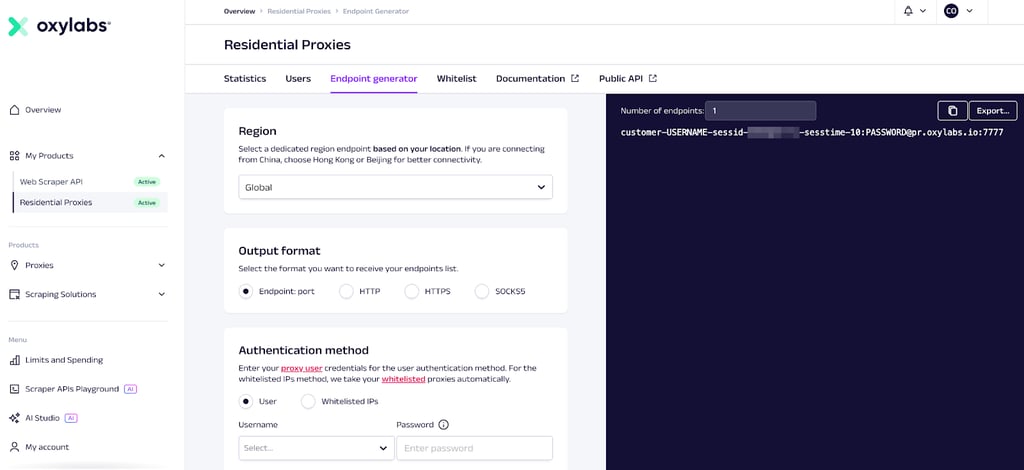
Authentication in between the automation server and the proxy company is another prospective point of failure. Utilizing basic IP-based authentication is risky due to the fact that it requires the automation server's IP to be whitelisted. If that whitelist is compromised, the whole proxy budget can be drained by 3rd parties. Secure SEO operations in 2026 favor username and password authentication over encrypted tunnels. This makes sure that even if the server IP changes, the connection stays protected and personal.
DNS Drip Defense and Remote Resolution
A typical however neglected vulnerability is the DNS leak. This occurs when the web browser or scraping script sends a DNS request through the local ISP rather of through the proxy tunnel. The target site can see that the DNS demand originated from a different area than the IP address making the HTTP request. This inconsistency is a 100% reliable indication of proxy use. To avoid this, the facilities should be set up for remote DNS resolution. The technical execution of Asia Virtual Solutions Website Growth Proxies needs a deep understanding of network latency and package loss.
By requiring the proxy server to manage the DNS lookup, the regional origin stays hidden. This is especially essential when dealing with geo-specific content where the search engine provides different outcomes based on the regional DNS server. In 2026, localized SEO is more granular than ever, with outcomes varying down to the area level. Correct DNS managing makes sure that the information collected is really what a user because specific location would see.
Session Management and Rotation Logic
Preserving a "sticky session" is required for jobs that need a user to be logged in or to browse through numerous pages of a website. The longer a session lasts, the greater the danger of a leakage. If a residential IP suddenly goes offline-- which happens often with genuine home connections-- the automation system must manage the shift without exposing the underlying server IP. A "kill switch" is a basic requirement for any SEO infrastructure in 2026. This protocol right away halts all data transmission if the proxy connection drops.
Rotation reasoning need to also be smart. Quickly changing IPs within the exact same subnet can look suspicious. High-quality proxy providers in 2026 deal varied swimming pools across different ASN (Autonomous System Number) classifications. Smart rotation includes moving in between different providers and provider types to avoid developing a noticeable pattern. For instance, an automation script may use a mobile 5G IP for the preliminary search and after that change to a residential fiber connection for more data-intensive scraping. This imitates the habits of a user moving from a mobile phone to a home computer system.
Tracking and Real-Time Latency Analysis
Facilities in 2026 is only as excellent as its tracking system. High-bandwidth proxies are ineffective if they experience high latency or jitter. SEO groups now use real-time dashboards to track the performance of their proxy swimming pools. If a specific area or provider starts showing increased action times, the system ought to automatically reroute traffic to a more stable node. This prevent-first method reduces the number of failed requests and keeps the automation performing at peak performance.
Latency analysis likewise helps in determining "thin" proxies that may be data center IPs masquerading as domestic ones. If a property IP responds with the speed of a Tier 1 fiber optic line in an information center, it might be flagged as suspicious. Effective systems in 2026 typically introduce slight, artificial hold-ups to make the traffic appear more human. This counter-intuitive technique helps bypass contemporary anti-bot filters that try to find "too-perfect" connection speeds.
Securing the Scraped Data Repository
Securing the infrastructure likewise suggests securing the data that is being pulled. If a scraper is effective however the database where the information is stored is exposed, the whole operation is at risk. Rivals can see precisely what keywords and websites are being kept an eye on. In 2026, information file encryption at rest and in transit is a standard protocol for SEO experts. This prevents leaks that might expose the strategy behind the automation.
Using ephemeral storage for raw scraped data is another common technique. Once the data is processed and the appropriate insights are drawn out, the raw HTML and action headers are erased. This lowers the footprint of the operation and makes sure that even if a server is breached, the quantity of historic information readily available is limited. Security is as much about what you don't keep as what you do.
The Future of Automated SEO Security
As we move through 2026, the cat-and-mouse video game in between SEO automation and search engine security continues to intensify. The focus has actually shifted from mere volume to high-quality, undetectable interactions. This requires an investment in proxy facilities that is not just fast, however also intelligent and resilient. Systems should can self-healing, immediately replacing jeopardized IPs and changing finger prints on the fly to match changing requirements.
The most effective SEO techniques in 2026 are those that treat their facilities with the very same level of care as a banks treats its network. By integrating high-bandwidth property proxies, rigorous fingerprinting controls, and proactive tracking, companies can build a system that withstands the most extensive detection methods. Security is not a one-time setup however a continuous procedure of improvement and adaptation to an environment that is always attempting to find a leak.
Ultimately, the objective is to create a digital presence that is identical from a genuine human user. In 2026, accomplishing this needs more than just great software. It needs a strong foundation of network procedures and a commitment to securing every point of information transfer. Those who master these security protocols will discover themselves at an unique advantage in the competitive world of automated SEO.