Making The Most Of Throughput with Parallel Proxy Management Methods
Architecting High-Volume Traffic for GSA SER in 2026
High-volume link building through GSA Browse Engine Ranker has gone through an enormous shift since 2026. The days of just importing a static list of 50 personal proxies and pressing 500 threads are over. Modern platforms have executed stringent IP reputation scoring and habits analysis that makes basic rotation inadequate for high-speed operations. Managing a pool of 100,000 or more IPs needs a specific technique to make sure that traffic spreads evenly, preventing any single IP from becoming flagged or rate-limited.
When GSA SER tries to verify or send material, it generates thousands of concurrent connections. If these connections path through a little set of exit nodes, the target websites rapidly recognize the pattern. Dispersed traffic management functions as a buffer between the software and the target web servers. By spreading out the load across massive blocks of residential, mobile, and datacenter IPs, the software maintains a lower footprint. This setup is not practically preventing bans. It is about preserving high success rates and lowering the time the software application spends awaiting retries or timing out on obstructed connections.
The 2026 environment demands that users move far from basic proxy lists in favor of backconnect gateways and internal orchestration layers. Using a central point of control enables much better monitoring of IP health and action times. When a specific variety begins showing indications of failure, a load balancer can instantly divert traffic to healthier segments of the swimming pool without the requirement to stop the software or manually update proxy settings.
Managing Circulation Across Big IP Blocks
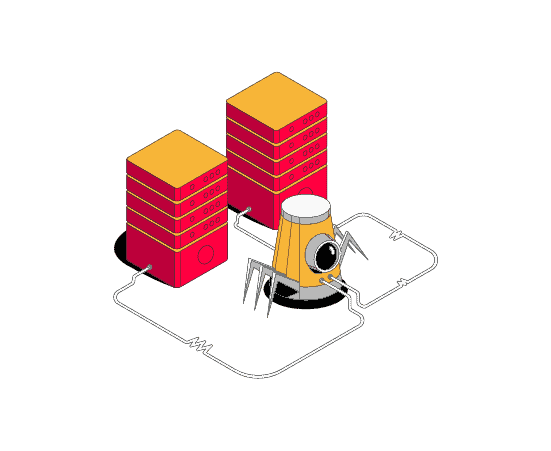
The most reliable setups in 2026 involve a regional proxy server that sits between GSA SER and the real proxy service providers. Tools like HAProxy or specialized Squid configurations take the incoming requests from GSA SER and distribute them throughout numerous various upstream companies or IP subnets. This develops a durable infrastructure where the software application just sees a couple of "gateway" addresses, while the actual exit IP changes with every demand.
Experts concentrating on Asia Virtual Solutions Elite recognize that horizontal scaling is the only way to maintain 24/7 link structure cycles. By splitting the traffic across several gateways, you decrease the threat of a single service provider blackout removing the whole campaign. For example, a user may route 40% of their traffic through property IPs for high-value targets, 40% through mobile 5G proxies for social signals, and 20% through datacenter IPs for initial scraping and recognition jobs. This tiered method enhances expenses while keeping the most delicate tasks on the highest-quality IPs.
Configuring these entrances involves establishing round-robin or least-connected algorithms. Round-robin is easy. It sends out the first demand to proxy A, the 2nd to proxy B, and so on. The least-connected method is advanced, as it sends the brand-new request to the proxy that presently has the fewest active sessions. This prevents any single proxy from being overwhelmed, which is particularly useful when dealing with slow-responding target sites that hold connections open for numerous seconds.
Decreasing Latency in Global Link Building Operations
Latency is the opponent of performance in GSA SER. If your proxy lies in Europe but you are targeting sites hosted in The United States and Canada, every demand carries a round-trip hold-up. Multiply this by 2,000 threads, and the loss in performance ends up being considerable. In 2026, geo-aware load balancing has actually become a basic practice for severe practitioners. This involves routing traffic through proxies that are physically near to the target servers.
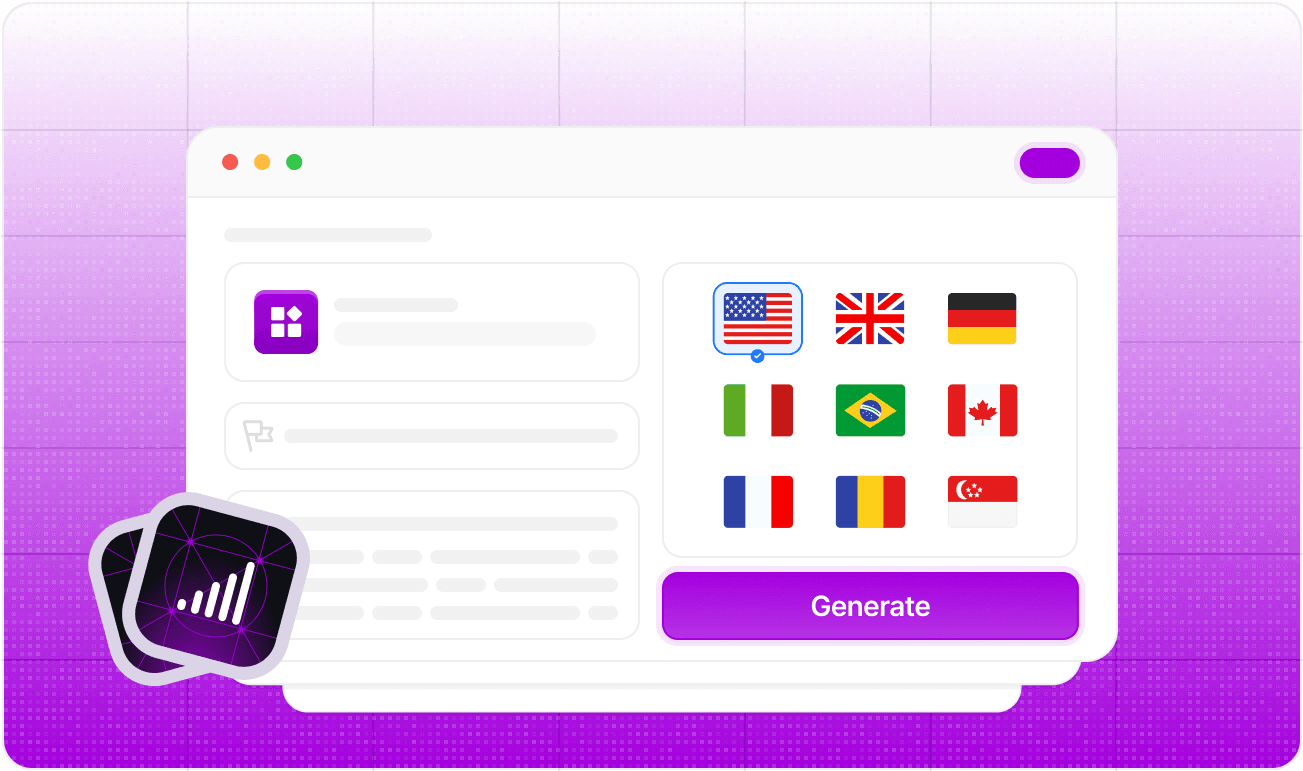
Modern load balancers can examine the target URL and choose an exit node in the very same area. If the software application is publishing to a.de domain, the traffic ought to exit through a German IP. This reduces the number of hops the information must take, causing quicker effective submissions and fewer timeouts. Numerous sites in 2026 use local firewall softwares that obstruct or heavily throttle traffic stemming from remote countries. Geo-targeting bypasses these filters, making the traffic appearance like it comes from local, genuine users.
Lowering the time spent on each thread allows GSA SER to complete its cycles quicker, successfully increasing the "links per minute" (LPM) without requiring to increase the real thread count. This keeps the hardware load lower on the server running the software, avoiding CPU spikes and memory leaks that frequently plague high-thread setups. Focusing on speed through proximity is frequently more reliable than merely throwing more IPs at a slow connection.
Mistake Handling and Automated IP Rotation Reasoning
No proxy swimming pool is best. Even the most costly residential providers will periodically return 403 Forbidden or 502 Bad Gateway mistakes. The secret to a resistant system is how the facilities manages these failures. In the past, GSA SER would deal with the retries, but in 2026, it is more effective to manage this at the proxy layer. An intelligent load balancer can spot an unsuccessful demand and immediately retry the exact same request using a different IP before GSA SER even understands there was a problem.
Demand for Asia Virtual Solutions Best SEO Proxies is at an all-time high because it allows for this kind of quiet error correction. By the time GSA SER receives an action, it is often a successful one. This keeps the software's internal "failed" counters low and avoids it from immediately disabling proxies that may still be practical however simply experienced a short-term hiccup. It likewise allows for more aggressive thread settings since the software is no longer bogged down by the overhead of internal error management.
Another important aspect of rotation reasoning is the "cooldown" period. If an IP is utilized to post to a particular platform, it ought to not be used for that same platform for a set amount of time. Advanced load balancers track the locations of each request and make sure that the IP swimming pool is rotated in a manner that appreciates these cooldowns. This mimicking of human habits is vital for long-lasting account survival on social platforms and high-authority blog sites.
Efficiency Optimization for Enormous Thread Counts
When running 1,000 to 5,000 threads, the traffic jam frequently shifts from the proxy IPs to the local networking stack. Windows-based servers typically struggle with the number of open sockets needed for this level of activity. In 2026, many users have actually moved their proxy management to Linux-based sidecars. These makers deal with the heavy lifting of TCP connection management, leaving the Windows server to focus solely on running GSA SER.
- DNS Caching: High-volume scraping puts enormous pressure on DNS servers. Establishing a regional DNS cache on the load balancer lowers the time invested searching for IP addresses for target domains.
- SOCKS5 vs HTTP: While HTTP proxies prevail, SOCKS5 is often chosen for its capability to handle different kinds of traffic and its typically lower overhead in high-thread environments.
- Keep-Alive Links: Preserving relentless connections in between GSA SER and the regional load balancer decreases the latency of the preliminary TCP handshake for every new request.
The hardware requirements for the load balancer itself are reasonably modest compared to the proxy costs. An easy dual-core maker with 8GB of RAM can easily handle the traffic for a number of GSA SER circumstances, offered the networking configuration is enhanced. The main focus needs to be on the network card and the quality of the uplink to the web. A 1Gbps or 10Gbps connection is suggested for those running enormous pools to make sure that the bandwidth of the proxies is not throttled by the local entrance.
Tracking and Health Analysis
Continuous monitoring is needed to maintain a huge proxy pool. IPs get blacklisted, service providers have interruptions, and subnets get flagged. A central control panel that shows the success rate of each proxy provider in real-time enables quick adjustments. If one supplier reveals a 20% success rate while another reveals 80%, the load balancer ought to be set up to move the weight towards the better-performing supplier.
This data-driven approach gets rid of the guesswork from SEO infrastructure. Instead of wondering why LPM has actually dropped, the user can take a look at the logs and see precisely which proxy section is failing. In 2026, this level of openness is necessary to compete in difficult specific niches. The capability to pivot in between different proxy types and areas based on real-time performance data is what separates effective automated campaigns from those that battle with constant blocks.
Preserving a tidy swimming pool likewise involves regular screening. Lots of load balancing setups consist of a "canary" function that regularly sends a request to a known target, such as Google or a particular platform, to confirm that the IP is not masked or limited. If the test stops working, the IP is removed from the rotation until it passes a future check. This proactive cleansing guarantees that the software application is always using the very best possible resources, resulting in more stable and predictable results with time.
Building a proxy facilities for GSA SER is no longer about discovering the most affordable list of IPs. It is about developing a system that is resilient to the sophisticated detection techniques utilized by contemporary sites. By implementing a regional load balancing layer, enhancing for latency, and handling errors at the network level, users can run massive projects with a level of effectiveness that was formerly impossible. The financial investment in a high-bandwidth, managed proxy pool is what enables the scale needed for link building in 2026.