Managing High-Speed Residential Proxies for Maximum Link Success
Technical Optimization for Automated Link Building in 2026
The environment for search engine optimization has moved considerably by 2026. Automated tools that once relied on sheer volume now require surgical precision to remain efficient. Modern search algorithms have actually moved beyond recognizing spam based upon simple keyword density. Rather, they recognize patterns in backlink profiles that suggest synthetic growth. For those utilizing GSA Online search engine Ranker (SER) in 2026, success depends totally on data filtering and the aggressive reduction of digital footprints. Success is no longer measured by the variety of links developed per minute but by the durability and quality of the links that stick.
High-speed link generation without stringent filtering is a quick method to get a domain flagged. The goal in 2026 is to mimic the natural acquisition of links across a diverse series of platforms while avoiding the common markers of automation. This involves a deep setup of job settings, the use of premium information lists, and an understanding of how search engines categorize web entities. When setting up campaigns for automated link building in the local market, the focus must be on the quality of the target websites instead of the amount of the submissions.
Advanced Domain Filtering and Quality Assurance
The initial step in lowering a footprint is guaranteeing that the software application just connects with relevant, premium targets. In the 2026 version of GSA SER, the international options menu provides several layers of protection. One of the most efficient filters is the Outbound Link (OBL) count. If a page already has 500 links, including another one offers no worth and in fact determines the site as a "link neighborhood" that online search engine actively overlook or punish. Setting a stringent limitation of 40 to 60 OBL ensures that the link resides on a page that keeps some level of authority.
Language filtering has likewise become a non-negotiable setting. A website targeting a particular region, such as the regional area, ought to not have a backlink profile filled with Russian, Chinese, or Turkish remarks unless those markets are specifically being targeted. By restricting the software application to only post on websites that match the primary language of the task, the footprint is right away decreased. This makes the automatic activity appear a lot more like natural development originating from a specific geographical or linguistic group.
Additionally, domain authority filters have developed. While third-party metrics like DA or DR are still utilized, 2026 professionals choose filtering by real traffic data. If a target site has zero indexed pages or no natural traffic, it is likely a dead end. Setting up the software application to skip these websites saves resources and avoids the production of links on "ghost" domains that exist exclusively for spam. Experts who focus on GSA SER Builder Proof understand the dangers of fixed footprints and focus on websites with active user engagement.
Masking the Automation Signature through Content
Material is where most automated projects stop working. In 2026, the use of fundamental spintax that produces hardly understandable sentences is a major footprint. Browse engines now utilize Large Language Models to confirm the context and quality of the text surrounding a link. If the text does not make good sense or is irrelevant to the target URL, the link is discounted. To fight this, the integration of API-based content generation is necessary. These tools create distinct, contextually appropriate paragraphs that pass human-level readability tests.
The placement of the link within the content likewise matters. Placing a link at the really starting or the very end of every post develops a foreseeable pattern. Varying the positioning and utilizing a mix of anchor text types helps break this signature. In 2026, a natural profile consists of a heavy lean towards top quality anchors and plain URLs, with specific match keywords making up a little portion of the total. Over-optimization of anchor text is one of the easiest footprints for an algorithm to spot. Preserving high standards for GSA SER Builder Proof requires constant updates to worldwide site lists and anchor text ratios.
User account variety is another consider footprint reduction. Utilizing the exact same username or email format across countless sites is a clear sign of a single campaign. GSA SER permits making use of catch-all e-mails and randomized username generation. In 2026, it is basic practice to use several domain-specific email addresses rather than totally free service providers like Gmail or Outlook, which are more likely to be flagged by target sites during the registration process. This adds a layer of authenticity to the accounts being produced.
Proxy Reasoning and Network Anonymity
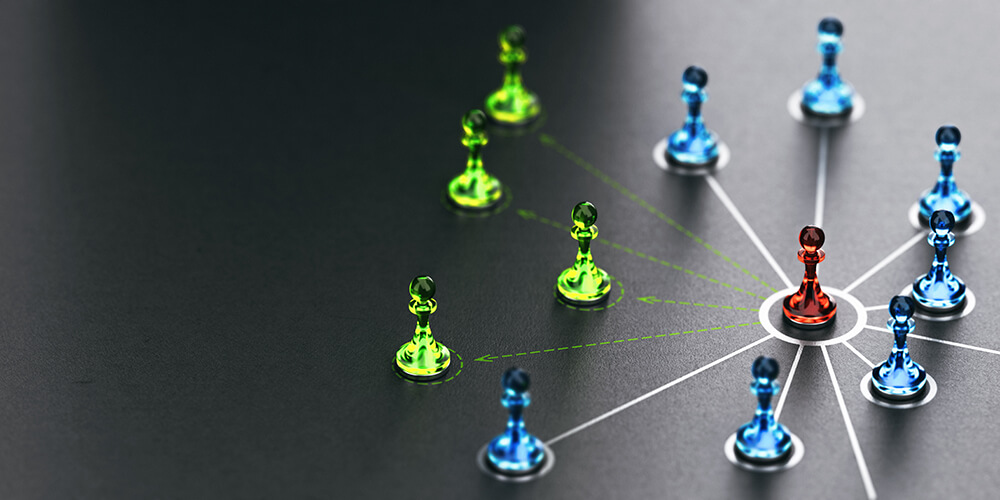
The IP address used to submit a link is perhaps the most apparent footprint of all. If countless links are generated from a single datacenter IP, search engines can quickly group those links together. By 2026, using domestic and mobile proxies has actually ended up being the standard for expert automation. These proxies rotate IPs with every request or at set periods, making it look like though the links are originating from different users in different locations around the surrounding region.
Datacenter proxies are still helpful for scraping, but for the actual submission process, they are too risky. The expense of domestic proxies is balanced out by the greater success rate and the increased life-span of the links. In addition, the speed of the submissions should be throttled. The "threads" setting in GSA SER should be handled thoroughly. Performing at 500 threads might produce links faster, but it also creates a spike in activity that can be found. A slower, more consistent rate is much harder to distinguish from natural web activity.
Another technical detail typically neglected is the "User-Agent" string. This is the piece of information that informs a site which internet browser and operating system is being used. If every submission uses the very same outdated internet browser string, it produces a footprint. Modern setups utilize a rotating list of countless various User-Agents, including numerous versions of Chrome, Safari, and Firefox across both desktop and mobile gadgets. This easy step makes the automated traffic appear like a varied group of genuine web users.
Blacklists and Negative Keyword Filtering
Securing the credibility of a domain involves keeping away from "bad areas." This includes adult websites, betting websites, and pharmaceutical domains that are not pertinent to the project. GSA SER includes an international blacklist feature that should be upgraded daily. In 2026, these blacklists have grown to include countless domains known for belonging to de-indexed personal blog site networks or "link farms" that exist just to sell low-quality placements.
Negative keyword filtering is simply as important. By telling the software application to avoid pages consisting of specific words, you can avoid having a link put next to questionable or irrelevant material. For example, if the project is for a local service in the local area, you might filter out terms associated with unassociated industries or generic spam terms. This ensures that the link is surrounded by content that is at least tangentially related to the target site, which is a key consider how search engines weight the relevance of a backlink.
Automated link building also requires a method for dealing with website platforms. Some platforms are more "footprint-heavy" than others. Visitor books and image remarks are typically viewed as lower quality than blog posts or forum profiles. In 2026, a well balanced project focuses on platforms that enable more long-form material. By disabling the most abused engines and concentrating on those that need more complex interactions, the resulting backlink profile looks a lot more expert and less like a result of a script.
Monitoring and Adaptive Strategy
The final part of footprint reduction is the continuous monitoring of the link profile. Tools that track the indexing rate and the "do-follow" versus "no-follow" ratio offer the information needed to change the project. If the indexing rate drops, it normally suggests the filtering isn't rigorous sufficient or the content quality has fallen. In 2026, an indexing rate of 20% to 30% for automated links is thought about healthy. Anything greater may suggest the links are too simple to get, and anything lower recommends they are too low in quality.
Frequently cleaning up the "validated" list is likewise a requirement. Websites that were as soon as top quality can quickly turn into spam hubs. By re-verifying the list every few weeks and getting rid of websites that no longer satisfy the OBL or traffic requirements, the software continues to construct links on the very best offered targets. This proactive technique to list management is what separates professional SEO work from amateur efforts at automation.
Using "Tiered Link Building" stays a popular strategy in 2026 to further insulate the primary website. By developing top quality automated links to the very first tier of backlinks (the "Tier 2" approach), you can pass authority without the main domain ever being straight associated with the higher-volume automated activity. This creates a buffer that protects the primary possession while still benefiting from the power of automation. This multi-layered technique is the most durable method to utilize tools like GSA SER in a contemporary SEO environment.
Success with automated tools requires a shift in frame of mind. It is no longer about discovering a "push-button" service for rankings. It has to do with using advanced software application to deal with the repetitive jobs of link acquisition while preserving a level of quality that pleases the increasingly complex requirements of search engines. By concentrating on data filtering, content importance, and network anonymity, it is possible to develop a backlink profile that provides real lead to 2026 without the risks related to older, more negligent methods.