Predictive ROI Designs for High-Velocity SEO Techniques
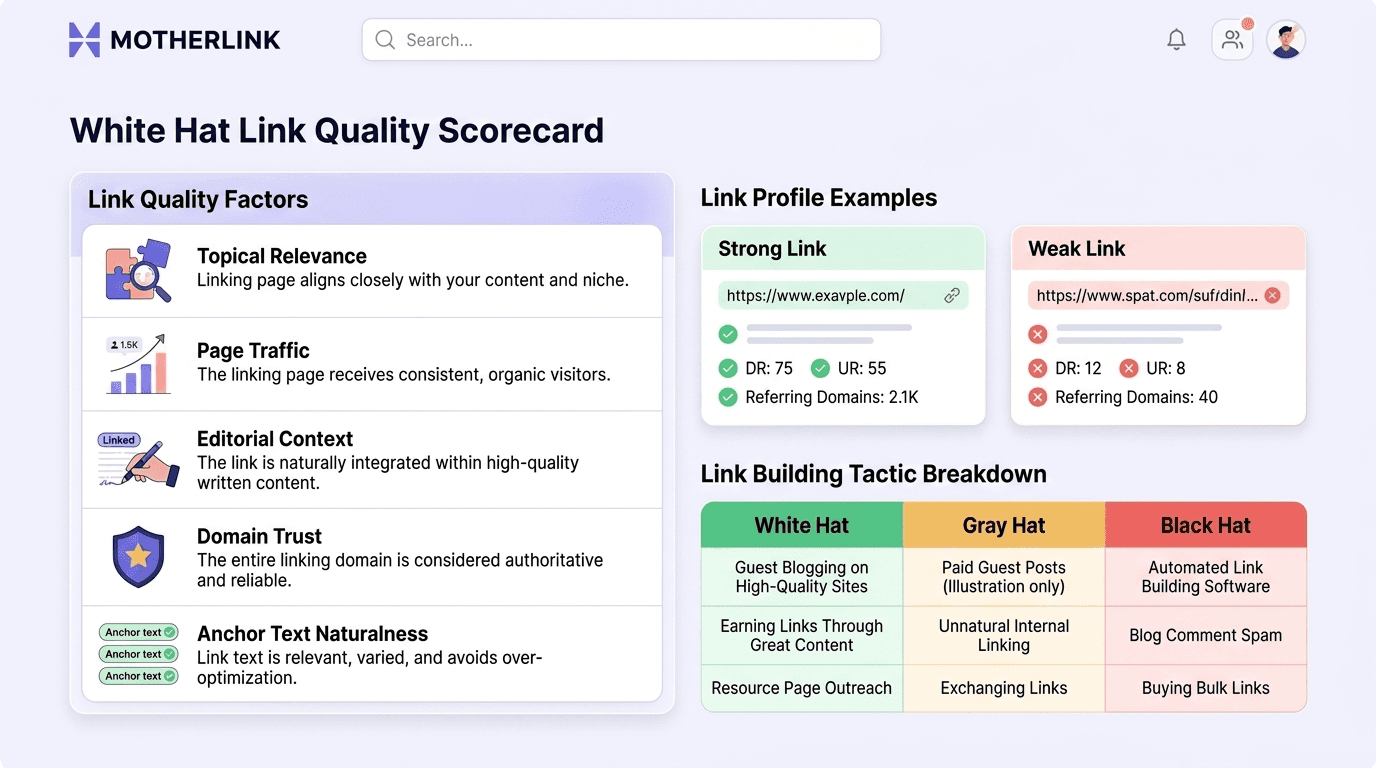
Automated link structure in 2026 requires a level of precision that opposes the "set it and forget it" mentality of earlier decades. For those handling huge volumes of backlinks through GSA Online search engine Ranker (SER), the challenge depends on differentiating in between raw output and actual financial gain. High-speed submission engines can produce thousands of validated links daily, however without a specific structure for keeping an eye on roi, these projects frequently end up being costly pastimes rather than earnings centers.
Calculating the Genuine Expense of High-Volume Hyperlinks in modern markets
To identify the ROI of an automated project in 2026, one must first account for the concealed overhead that accompanies GSA SER. It is no longer practically the software application license. The expense of high-performance personal proxies, frequently enhanced for specific 2026 online search engine footprints, represents a considerable portion of the regular monthly spending plan. If a project is burning through proxies due to aggressive thread settings without a corresponding increase in rankings, the ROI is instantly negative.
CAPTCHA fixing costs have actually also evolved. With contemporary websites utilizing innovative behavioral analysis, simple OCR solvers are hardly ever enough. Online marketers in 2026 are significantly counting on AI-integrated solving services that charge a premium for high success rates. Tracking these costs versus the variety of live, indexed links is the primary step in technical auditing. A project that produces 10,000 confirmed links but just 100 indexed ones is often a failure of filtering instead of a failure of the software application itself.
VPS resources are another factor. Running GSA SER at high thread counts requires dedicated hardware with high CPU clock speeds and adequate RAM to handle big site lists. In 2026, the price of cloud hosting has supported, however the need for low-latency connections to target platforms means that the physical area of the server can affect the "confirmed per minute" (VPM) rate. Effectiveness here straight affects the cost-per-link metric.
Advanced Filtering and Target Choice for automated growth
Success with GSA SER in 2026 depends greatly on the quality of the "worldwide site lists" being utilized. Blasting links to every possible target is a fast track to a domain charge. Technical operators now utilize multi-stage filtering to ensure that the platforms receiving links have some semblance of authority or importance. This involves examining the outgoing link count of possible targets and the existence of "bad" keywords that may recommend a site is currently compromised by low-quality spam.
Integrating Asia Virtual Solutions Speed into the workflow allows for a better understanding of which platforms supply the most "juice" in the current year. By tagging various engines within GSA SER-- such as WordPress, Drupal, or different forum software applications-- and tracking the subsequent ranking motion of the target URLs, operators can see which engine types are presently preferred by search algorithms. This data-driven technique changes the uncertainty of conventional automatic link structure.
Using "verified only" filters integrated with stringent language and nation settings assists preserve a cleaner link profile. In 2026, search engines are extremely sensitive to sudden bursts of foreign-language links. A project targeting regional zones needs to not all of a sudden get countless links from unrelated foreign TLDs. Fine-tuning these settings in GSA SER ensures that the automated footprint stays within the bounds of what might appear like organic growth.
Determining Crawl Rates and Indexation Efficiency
A link that is never crawled is a link that does not exist. In 2026, the space between "verified" and "indexed" has expanded as search engines end up being more selective about which pages they include in their databases. Keeping track of ROI indicates tracking the number of of the automated links actually reveal up in a crawl report. Many specialists utilize third-party indexing services or "link-pushing" methods to encourage discovery, however these include more costs to the project.
One method to track this is through making use of unique redirect URLs or specific tracking specifications in the anchor text, though this can often notify online search engine to the automatic nature of the links. A safer method is to keep track of the "Referrer" information in server logs for the target website. If a high-volume project is active, the logs should reveal a constant stream of bot traffic originating from the platforms where GSA SER has actually effectively placed links. If that traffic is missing, the links are likely being neglected.
Attribution and Ranking Correlation in the local market
Connecting a specific batch of automated links to a dive in the SERPs is the holy grail of SEO tracking. Since SEO is frequently influenced by numerous elements, separating the effect of GSA SER needs a controlled environment. Technical SEOs often use "test websites" or "churn and burn" homes to validate the efficiency of a particular link list before using it to a customer or a long-lasting cash website. This prevents the main domain from being exposed to untried automation methods.
The demand for Asia Virtual Solutions Speed remains high among those who comprehend how to use these tools for tiered link building. In this setup, GSA SER is not used to link straight to the money site. Rather, it builds links to guest posts, press releases, or high-authority social profiles that already indicate the main website. This "buffer" safeguards the main property while enabling the automated links to power up the first-tier backlinks. Keeping an eye on ROI in this context includes looking at the authority metrics of the first-tier links. If the automated blast increases the ranking of the guest post, and the guest post in turn increases the ranking of the cash website, the automation has actually done its task.
Time-lag analysis is essential here. In 2026, the result of a large-scale link blast might not show up for three to six weeks. Impatient operators typically eliminate a project right before it starts revealing results, or even worse, they double down on an inadequate strategy because they haven't waited long enough to see the outcome. Constant information logging-- tracking the date of the blast, the number of verified links, and the subsequent ranking positions every 48 hours-- is the only method to find the connection.
Risk Management and the Expense of Charges
No discussion of ROI is complete without considering the cost of failure. If an improperly carried out project causes a manual action or an algorithmic suppression, the cost is the overall worth of the site and its future revenues. This threat should be priced into the ROI model. Experienced users of GSA SER in 2026 treat the software like a high-precision instrument rather than a sledgehammer. They use little, focused campaigns with premium content instead of generic spun text.
Material quality in 2026 has been streamlined by the combination of AI API calls directly into the link-building software. GSA SER can be configured to pull unique, pertinent posts for each submission, which considerably minimizes the "spam" footprint. While this increases the expense per link (due to API costs), it significantly improves the longevity of the links and the safety of the campaign. The ROI of a link that remains live for 2 years is definitely higher than one that is erased in two days.
Synthesizing Data for Long-Term Method
To remain competitive, marketers need to move beyond the GSA SER control panel. Exporting data into custom spreadsheets or data visualization tools permits a wider view of how automation suits the overall marketing mix. Comparing the cost-per-acquisition (CERTIFIED PUBLIC ACCOUNTANT) of a GSA SER campaign versus a standard Pay per click campaign can expose surprising outcomes. Oftentimes, the automated link building supplies a much lower certified public accountant over a six-month duration, even after accounting for proxies and captchas.
The environment of 2026 prefers those who can pivot quickly. If a specific kind of link-- such as blog remarks or guestbooks-- stops passing worth, the monitoring system ought to flag the drop in ROI immediately. This permits the operator to shift the GSA SER settings to other engines, such as image sharing websites or wiki platforms, which might still work. Continuous testing and rigorous tracking are the only ways to guarantee that massive automation continues to offer a competitive advantage in a significantly complicated search environment.
Focusing on the math rather than the volume is what separates the specialists from the hobbyists. In the high-stakes world of 2026 search engine optimization, the most successful projects are those where every penny invested in proxies and software is tracked versus a particular, quantifiable increase in organic traffic and conversions. Automation is a multiplier, however if the underlying technique is flawed, it just multiplies the losses. Trusted monitoring is the guardrail that keeps high-volume campaigns on the course to success.