Protecting Your Web Scraping Pipelines from Typical Leakage Vulnerabilities
Protecting Data Integrity in 2026 SEO Operations
Automated SEO systems have actually reached a level of complexity in 2026 that was formerly reserved for high-frequency trading or worldwide logistics networks. As online search engine deploy more advanced detection systems, the facilities utilized to collect data and handle assets faces constant scrutiny. A single leakage of a true IP address or a mismatched browser finger print can result in the instant blacklisting of pricey accounts and the loss of months of progress. Maintaining a durable wall between the automation software and the targets requires a multi-layered security strategy that focuses on high-bandwidth proxy connections and strict identity isolation.
The dangers are no longer limited to easy IP restrictions. In 2026, search algorithms utilize behavioral analysis and device learning to recognize patterns that deviate from human standards. If an automated scraper exposes its origin through a DNS leak or an inadequately configured WebRTC setting, the online search engine may feed it deceptive data rather of obstructing it outright. This causes "ghost information" that can destroy an SEO technique before the error is even discovered. Organizations prioritizing high uptime often depend on Asia Virtual Solutions YouTube to keep consistent data flows.
The Role of High-Bandwidth Residential Proxies
Requirement data center proxies have become practically obsolete for top-level SEO jobs in 2026. Many major platforms quickly flag traffic originating from understood server farms. The existing requirement includes utilizing domestic proxies that offer the appearance of real home-user traffic. However, not all domestic networks are equal. Low-bandwidth connections cause timeouts, which are a major signal for bot detection systems. When a request hangs or fails midway through, the subsequent retry often triggers a more extensive security challenge.
High-bandwidth residential pools permit the fast execution of JavaScript-heavy pages. Modern search results page are no longer simple HTML. They are vibrant environments with layered scripts that need to be totally rendered to see the actual ranking information. Systems that can not handle the information throughput required for these renders will stop working. Resilient infrastructure in 2026 needs proxies that can handle continual bursts of data without dropping packages or rotating the IP in the middle of a session. This stability is the distinction in between a successful crawl and a blocked request.
Avoiding Browser Finger Print Leaks
While an IP address is a primary identifier, browser fingerprinting is the secondary wall that frequently catches automatic systems off guard. Even with a clean residential proxy, an inequality between the reported user-agent and the real internet browser characteristics will cause a leakage. Search engines in 2026 take a look at hardware-level information, such as GPU rendering patterns, screen resolution, and font lists. If a proxy suggests a user is in London however the system time zone or the language headers recommend otherwise, the session is jeopardized.
Advanced SEO automation tools now use "finger print spoofing" that integrates with the proxy location. If the proxy originates from a particular mobile carrier, the web browser profile should mimic a device typically utilized on that network. Consistency throughout the stack is obligatory. This consists of managing Canvas fingerprints and AudioContext signatures, which are regularly utilized to identify headless web browsers. A failure to mask these traits serves as a beacon, telling the target server that the traffic is synthetic.
Advanced Header and Procedure Security
The approach HTTP/3 and the QUIC protocol has altered how SEO facilities must be set up. In 2026, numerous websites need these modern protocols for a connection to be considered "human." Older scraping setups that rely exclusively on HTTP/1.1 are quickly filtered out. Utilizing proxies that support complete protocol pass-through guarantees that the traffic looks modern. Security procedures also need to represent the order of headers. Web browsers send out headers in a particular sequence. Changing this order or missing out on a common header like "Sec-Fetch-Site" is a common error that results in facilities leaks.
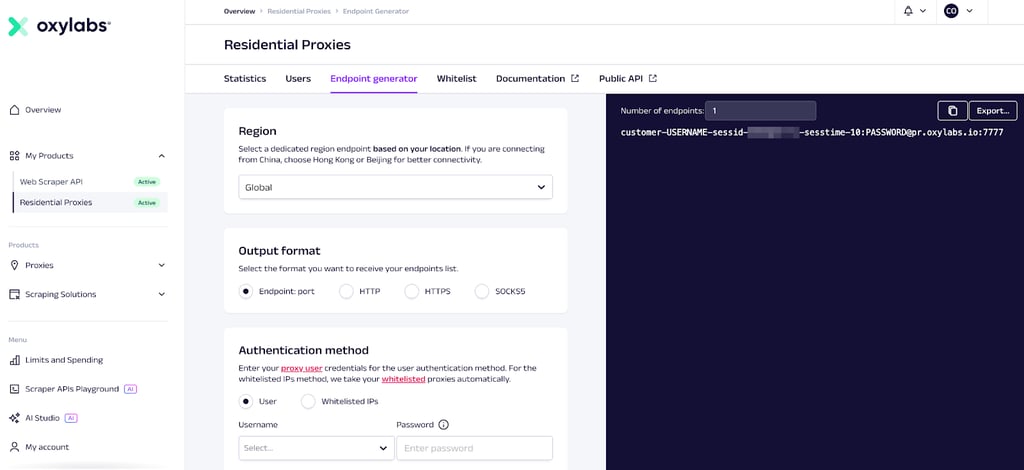
Authentication in between the automation server and the proxy company is another potential point of failure. Using standard IP-based authentication is dangerous because it requires the automation server's IP to be whitelisted. If that whitelist is jeopardized, the whole proxy budget plan can be drained by 3rd parties. Secure SEO operations in 2026 favor username and password authentication over encrypted tunnels. This makes sure that even if the server IP changes, the connection stays safe and private.
DNS Leak Security and Remote Resolution
A common however ignored vulnerability is the DNS leak. This takes place when the browser or scraping script sends out a DNS demand through the regional ISP instead of through the proxy tunnel. The target website can see that the DNS demand came from a different area than the IP address making the HTTP demand. This disparity is a 100% reliable indicator of proxy usage. To prevent this, the facilities must be configured for remote DNS resolution. The technical application of Asia Virtual Solutions Proxy and Captcha Videos needs a deep understanding of network latency and packet loss.
By requiring the proxy server to manage the DNS lookup, the local origin stays concealed. This is particularly crucial when dealing with geo-specific content where the search engine offers various results based upon the regional DNS server. In 2026, localized SEO is more granular than ever, with outcomes varying down to the area level. Appropriate DNS handling ensures that the information gathered is really what a user because particular area would see.
Session Management and Rotation Logic
Maintaining a "sticky session" is essential for tasks that require a user to be visited or to navigate through multiple pages of a site. However, the longer a session lasts, the greater the threat of a leak. If a domestic IP unexpectedly goes offline-- which happens frequently with real home connections-- the automation system should deal with the transition without exposing the underlying server IP. A "kill switch" is a fundamental requirement for any SEO infrastructure in 2026. This protocol instantly stops all information transmission if the proxy connection drops.
Rotation logic must likewise be smart. Quickly changing IPs within the very same subnet can look suspicious. Premium proxy suppliers in 2026 deal diverse pools across various ASN (Autonomous System Number) classifications. Smart rotation includes moving between different providers and carrier types to prevent creating a noticeable pattern. An automation script may utilize a mobile 5G IP for the preliminary search and then switch to a residential fiber connection for more data-intensive scraping. This imitates the behavior of a user moving from a mobile phone to a personal computer.
Monitoring and Real-Time Latency Analysis
Infrastructure in 2026 is just as great as its tracking system. High-bandwidth proxies are worthless if they experience high latency or jitter. SEO groups now utilize real-time control panels to track the performance of their proxy swimming pools. If a specific area or provider begins revealing increased action times, the system must instantly reroute traffic to a more stable node. This prevent-first approach decreases the number of failed demands and keeps the automation performing at peak effectiveness.
Latency analysis also assists in determining "thin" proxies that might be information center IPs masquerading as domestic ones. If a residential IP reacts with the speed of a Tier 1 fiber optic line in an information center, it might be flagged as suspicious. Reliable systems in 2026 typically introduce small, synthetic delays to make the traffic appear more human. This counter-intuitive strategy helps bypass modern-day anti-bot filters that search for "too-perfect" connection speeds.
Securing the Scraped Data Repository
Securing the infrastructure also indicates protecting the information that is being pulled. If a scraper succeeds however the database where the info is saved is exposed, the entire operation is at risk. Rivals can see exactly what keywords and sites are being monitored. In 2026, information file encryption at rest and in transit is a basic procedure for SEO specialists. This prevents leaks that might expose the method behind the automation.
The use of ephemeral storage for raw scraped information is another common strategy. When the data is processed and the appropriate insights are drawn out, the raw HTML and action headers are deleted. This decreases the footprint of the operation and guarantees that even if a server is breached, the quantity of historic information available is restricted. Security is as much about what you do not keep as what you do.
The Future of Automated SEO Security
As we move through 2026, the cat-and-mouse game between SEO automation and online search engine security continues to escalate. The focus has actually moved from simple volume to top quality, undetected interactions. This needs a financial investment in proxy infrastructure that is not simply fast, however also intelligent and resilient. Systems should can self-healing, immediately replacing jeopardized IPs and adjusting fingerprints on the fly to match altering requirements.
The most successful SEO methods in 2026 are those that treat their facilities with the same level of care as a banks treats its network. By integrating high-bandwidth property proxies, strict fingerprinting controls, and proactive monitoring, organizations can construct a system that stands up to the most extensive detection approaches. Security is not a one-time setup however a continuous procedure of improvement and adaptation to an environment that is always attempting to find a leak.
Eventually, the objective is to develop a digital existence that is identical from a genuine human user. In 2026, achieving this requires more than just excellent software application. It needs a strong structure of network protocols and a dedication to protecting every point of data transfer. Those who master these security procedures will find themselves at a distinct advantage in the competitive world of automated SEO.