Why Every Automated Campaign Needs a Stringent Filtering Procedure
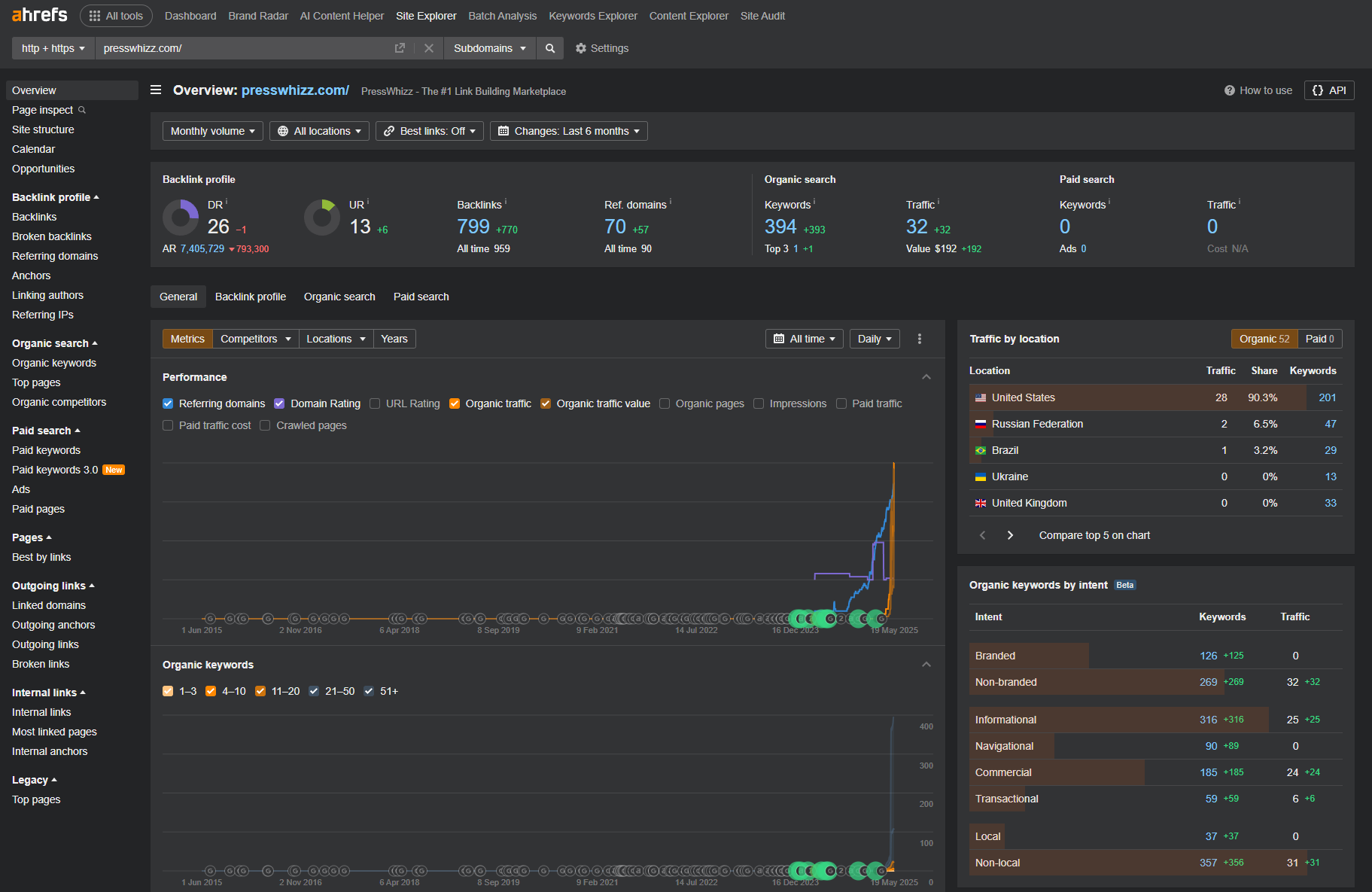
Automated link structure in 2026 requires a level of precision that opposes the "set it and forget it" mentality of earlier decades. For those managing huge volumes of backlinks through GSA Online search engine Ranker (SER), the obstacle depends on distinguishing between raw output and real monetary gain. High-speed submission engines can generate countless confirmed links daily, but without a particular framework for keeping track of return on investment, these projects frequently end up being pricey pastimes rather than revenue centers.
Calculating the Real Expense of High-Volume Links in modern markets
To figure out the ROI of an automated project in 2026, one need to first represent the concealed overhead that accompanies GSA SER. It is no longer just about the software application license. The expense of high-performance private proxies, typically enhanced for specific 2026 search engine footprints, represents a significant part of the monthly spending plan. If a campaign is burning through proxies due to aggressive thread settings without a matching rise in rankings, the ROI is immediately negative.
CAPTCHA solving expenses have also developed. With modern websites utilizing advanced behavioral analysis, basic OCR solvers are seldom enough. Marketers in 2026 are increasingly relying on AI-integrated solving services that charge a premium for high success rates. Tracking these costs versus the variety of live, indexed links is the initial step in technical auditing. A campaign that produces 10,000 validated links however just 100 indexed ones is typically a failure of filtering instead of a failure of the software application itself.
VPS resources are another element. Running GSA SER at high thread counts requires dedicated hardware with high CPU clock speeds and sufficient RAM to manage large website lists. In 2026, the price of cloud hosting has supported, however the need for low-latency connections to target platforms suggests that the physical place of the server can affect the "confirmed per minute" (VPM) rate. Effectiveness here straight affects the cost-per-link metric.
Advanced Filtering and Target Choice for automated growth
Success with GSA SER in 2026 depends greatly on the quality of the "international website lists" being used. Blasting links to every possible target is a fast lane to a domain penalty. Technical operators now utilize multi-stage filtering to ensure that the platforms receiving links have some semblance of authority or importance. This includes examining the outbound link count of potential targets and the existence of "bad" keywords that may suggest a site is already compromised by low-quality spam.
Integrating Asia Virtual Solutions Projects into the workflow enables a much better understanding of which platforms provide the most "juice" in the present year. By tagging various engines within GSA SER-- such as WordPress, Drupal, or various forum softwares-- and tracking the subsequent ranking movement of the target URLs, operators can see which engine types are currently preferred by search algorithms. This data-driven method replaces the uncertainty of traditional automatic link building.
Making use of "verified only" filters combined with rigorous language and nation settings helps preserve a cleaner link profile. In 2026, online search engine are extremely delicate to abrupt bursts of foreign-language links. A campaign targeting regional zones ought to not unexpectedly get countless links from unassociated foreign TLDs. Fine-tuning these settings in GSA SER guarantees that the automated footprint stays within the bounds of what may appear like organic growth.
Determining Crawl Rates and Indexation Effectiveness
A link that is never crawled is a link that does not exist. In 2026, the space between "verified" and "indexed" has actually expanded as online search engine become more selective about which pages they include in their databases. Keeping an eye on ROI indicates tracking the number of of the automated links actually appear in a crawl report. Lots of professionals use third-party indexing services or "link-pushing" methods to motivate discovery, however these include more expenses to the project.
One technique to track this is through making use of unique redirect URLs or specific tracking criteria in the anchor text, though this can in some cases alert online search engine to the automated nature of the links. A much safer method is to monitor the "Referrer" information in server logs for the target site. If a high-volume project is active, the logs must show a stable stream of bot traffic coming from the platforms where GSA SER has effectively placed links. If that traffic is missing, the links are most likely being neglected.
Attribution and Ranking Connection in the local market
Linking a particular batch of automated links to a dive in the SERPs is the holy grail of SEO tracking. Because SEO is often affected by numerous factors, isolating the impact of GSA SER needs a controlled environment. Technical SEOs frequently utilize "test websites" or "churn and burn" residential or commercial properties to validate the efficiency of a specific link list before using it to a customer or a long-term money website. This avoids the main domain from being exposed to untested automation techniques.
The demand for Asia Virtual Solutions Projects stays high amongst those who understand how to use these tools for tiered link building. In this setup, GSA SER is not used to link directly to the cash site. Rather, it constructs links to visitor posts, press releases, or high-authority social profiles that already indicate the main website. This "buffer" safeguards the main home while permitting the automated links to power up the first-tier backlinks. Monitoring ROI in this context involves looking at the authority metrics of the first-tier links. If the automated blast increases the ranking of the visitor post, and the guest post in turn increases the ranking of the cash website, the automation has done its job.
Time-lag analysis is vital here. In 2026, the result of a large-scale link blast might not show up for three to six weeks. Impatient operators often eliminate a project right before it begins revealing outcomes, or worse, they double down on an ineffective method because they haven't waited enough time to see the result. Constant data logging-- tracking the date of the blast, the variety of validated links, and the subsequent ranking positions every 2 days-- is the only way to discover the correlation.
Danger Management and the Expense of Penalties
No conversation of ROI is complete without considering the cost of failure. If an inadequately carried out project leads to a manual action or an algorithmic suppression, the cost is the total worth of the site and its future incomes. This threat must be priced into the ROI model. Experienced users of GSA SER in 2026 treat the software application like a high-precision instrument rather than a sledgehammer. They utilize little, focused projects with top quality material rather than generic spun text.
Content quality in 2026 has been streamlined by the integration of AI API calls directly into the link-building software. GSA SER can be configured to pull distinct, appropriate short articles for every submission, which substantially lowers the "spam" footprint. While this increases the cost per link (due to API costs), it significantly improves the longevity of the links and the safety of the campaign. The ROI of a link that remains live for 2 years is definitely greater than one that is deleted in 2 days.
Synthesizing Data for Long-Term Technique
To remain competitive, online marketers should move beyond the GSA SER dashboard. Exporting information into custom spreadsheets or data visualization tools enables a more comprehensive view of how automation suits the overall marketing mix. Comparing the cost-per-acquisition (CPA) of a GSA SER campaign versus a traditional Pay per click project can reveal unexpected outcomes. Oftentimes, the automated link structure provides a much lower CPA over a six-month duration, even after representing proxies and captchas.
The environment of 2026 favors those who can pivot rapidly. If a specific type of link-- such as blog site comments or guestbooks-- stops passing value, the monitoring system need to flag the drop in ROI instantly. This permits the operator to shift the GSA SER settings to other engines, such as image sharing websites or wiki platforms, which may still be efficient. Continuous testing and rigorous tracking are the only methods to guarantee that large-scale automation continues to offer a competitive advantage in a significantly intricate search environment.
Concentrating on the math instead of the volume is what separates the specialists from the enthusiasts. In the high-stakes world of 2026 seo, the most successful campaigns are those where every penny invested on proxies and software application is tracked versus a specific, measurable increase in organic traffic and conversions. Automation is a multiplier, however if the underlying technique is flawed, it only increases the losses. Dependable tracking is the guardrail that keeps high-volume projects on the path to profitability.